
Abd Allah al-Mahdi Billah
Founder of the Fatimid Caliphate and eleventh Isma'ili Imam.
Abū Muḥammad ʿAbd Allāh ibn al-Ḥusayn (31 July 874 – 4 March 934), known by his regnal name al-Mahdī biʾllāh ("The Rightly Guided by God"), was the founder of the Isma'ili Fatimid Caliphate, the only major Shi'a caliphate in Islamic history, and the eleventh Imam of the Isma'ili branch of Shi'ism. Born as Saʿīd ibn al-Ḥusayn in Askar Mukram, he was orphaned at a young age and raised in Salamiya by his uncle, who led the secret Isma'ili missionary network (da'wa). In the mid-890s, Sa'id succeeded to the leadership of the expanding da'wa, but his claim that he and his ancestors held the imamate itself caused a schism in 899, with those who rejected his claims becoming the Qarmatians.
- field
- Founder of the Fatimid Caliphate; Isma'ili Imam
- known_for
- Founding the Fatimid Caliphate; leading the Isma'ili da'wa; building the palace
Lore & Background
Al-Mahdi was born as Saʿīd ibn al-Ḥusayn in Askar Mukram on 31 July 874. Orphaned when his father died in 881/2, he was sent to Salamiya, where he was fostered by his uncle, Abu Ali Muhammad (also known as Abu'l-Shalaghlagh). On the journey he was joined by Ja'far, a boy a few months older who had been reared with him by the same wet-nurse; Ja'far became a eunuch and Sa'id's close confidant and chamberlain. In the mid-890s, Sa'id succeeded to the leadership of the expanding Isma'ili da'wa. His claim that he and his ancestors held the imamate—not merely serving as trustees for the hidden imam—led in 899 to a schism: those who did not recognise his claims split off to become the Qarmatians. Pro-Isma'ili Bedouin uprisings in Syria in 902–903, launched without his consent by over-eager supporters aiming to force him to come forward as the mahdi, were suppressed by the Abbasids and drew attention to him, forcing him to abandon Salamiya and flee first to Ramla, then Fustat in Egypt, and finally Sijilmasa in what is now Morocco. There he lived as a merchant until the missionary Abu Abdallah al-Shi'i, at the head of the Kutama Berbers, overthrew the Aghlabid dynasty of Ifriqiya in 909.
Reader's Guide
Al-Mahdi's significance lies in founding the Fatimid Caliphate, the only major Shi'a caliphate in Islamic history. Proclaimed caliph in January 910, he assumed power in Ifriqiya and proclaimed his right to conquer the world in the name of God. He soon fell out with Abu Abdallah and other leading missionaries, who were disappointed that he was not the semi-divine mahdi they had been propagating for; al-Mahdi was able to purge these dissidents. He had to overcome a series of revolts against his authority, either due to opposition to the exactions of the Kutama (the backbone of his power) or due to disillusionment with his failure to realise Isma'ili millennialist promises. The state he built, though underpinned by messianic ideology, was conventionally organised and relied heavily on the personnel of the previous Aghlabid regime and the swords of the Kutama. His expansionist aims achieved only moderate success: two invasions of Egypt were beaten back by the Abbasids, leaving only the Cyrenaica in his hands; war with the Byzantine Empire in southern Italy was characterised by raids for plunder and slaves without lasting successes; and repeated attempts to impose Fatimid rule over unruly Berbers in the west were challenged by Berber rivalries and the Umayyads of al-Andalus, securing only temporary success. In 921 he moved his court to the newly built fortified palace city of Mahdiya on the Tunisian coast, where he spent the rest of his life. He died on 4 March 934 and was succeeded by his only son, al-Qa'im.
Did You Know?
- His original name was most likely Sa'id ibn al-Husayn, though in later life he insisted his real name was Ali and Sa'id was just a cover name.
- He was born on 31 July 874 in Askar Mukram, in the Persian province of Khuzistan, though other traditions report Baghdad, Kufa, or Salamiya as his birthplace.
- His close confidant Ja'far was a boy a few months older who had been reared with him by the same wet-nurse and later became a eunuch and his chamberlain.
- The schism with the Qarmatians occurred in 899 after he claimed that he and his ancestors held the imamate itself, not merely serving as trustees for the hidden imam.
- He moved his court to the newly built fortified palace city of Mahdiya on the Tunisian coast in 921 and spent the rest of his life there.
Origins and the Hidden Mission
Abd Allah al-Mahdi Billah, born Sa'id ibn al-Husayn on 31 July 874 in Askar Mukram in the Persian province of Khuzistan, grew up within a family that publicly maintained the comfortable appearance of a wealthy merchant household while secretly directing the Isma'ili da'wa, a missionary network propagating on behalf of the hidden imam Muhammad ibn Isma'il, who would return as the prophesied Islamic messiah (mahdi). Orphaned when his father died in 881/2, the young Sa'id was sent to Salamiya, the movement's operational base on the western edge of the Syrian Desert, where his uncle Abu Ali Muhammad (also known as Abu'l-Shalaghlagh) took him in. A boy named Ja'far, who had been reared with him by the same wet-nurse and was a few months older, accompanied him on the journey and became a eunuch and Sa'id's close confidant and chamberlain, later one of the main sources about his life. By the mid-890s, Sa'id had assumed leadership of a da'wa whose adherents now stretched across the Muslim world.
The Schism and the Bedouin Revolt
When Sa'id stepped into the helm of the da'wa in the mid-890s, he made a claim that would fracture the Isma'ili movement: rather than serving merely as a trustee acting on behalf of the hidden imam, he declared that he and his ancestors were the rightful holders of the imamate itself. This assertion split the community in 899. Those who refused to accept his claims broke away and became known as the Qarmatians. The tension erupted violently in 902–903, when pro-Isma'ili Bedouin tribes in Syria rose up without Sa'id's authorization, attempting to force him into the public role of mahdi. The Abbasid authorities crushed the revolt, but the episode exposed Sa'id's location and drew the caliphate's full attention to him. Forced to abandon Salamiya, he fled in stages—first to Ramla, then to Fustat in Egypt, and ultimately to Sijilmasa in present-day Morocco, where he settled into the life of a merchant while his network continued to grow in the Maghreb.
Proclamation and the Struggle for Authority
In 909, the missionary Abu Abdallah al-Shi'i, commanding the Kutama Berbers, overthrew the Aghlabid dynasty in Ifriqiya, creating the conditions for Sa'id's emergence. Proclaimed caliph in January 910 and adopting the regnal title al-Mahdi bi'llah, meaning 'The Rightly Guided by God,' he announced his right to conquer the world in God's name. Yet the very men who had carried him to power were deeply disappointed—they had spent years preaching a semi-divine mahdi, and the pragmatic, politically cautious caliph they now found did not match the messianic figure they had been promising. The resulting rift led al-Mahdi to purge Abu Abdallah and other leading missionaries who challenged his authority. The years that followed were marked by a series of revolts, fueled both by resentment over the heavy exactions imposed by the Kutama, the tribal warriors who formed the military backbone of the new regime, and by the growing disillusionment of followers who felt the Isma'ili millennialist promises had not materialized.
State-Building, Ambitions, and Legacy
Despite its messianic ideological foundation, the Fatimid state al-Mahdi constructed was remarkably conventional in its administration. He leaned heavily on the bureaucratic personnel inherited from the deposed Aghlabid regime and on the military loyalty of the Kutama Berbers to maintain order. His expansionist ambitions yielded only partial results: two invasions of Egypt were repelled by Abbasid forces, leaving him with control of the Cyrenaica alone; his campaigns against the Byzantine Empire in southern Italy amounted to raids for plunder and slaves rather than sustained conquest; and repeated attempts to impose Fatimid authority over fractious Berber tribes in the west were complicated by internal rivalries and the competing ambitions of the Umayyads of al-Andalus, producing only temporary gains. In 921, al-Mahdi relocated his court to Mahdiya, a newly built fortified palace city on the Tunisian coast, where he spent his remaining years. He died on 4 March 934, succeeded by his only son al-Qa'im, leaving behind the sole major Shi'a caliphate in Islamic history.
Gallery

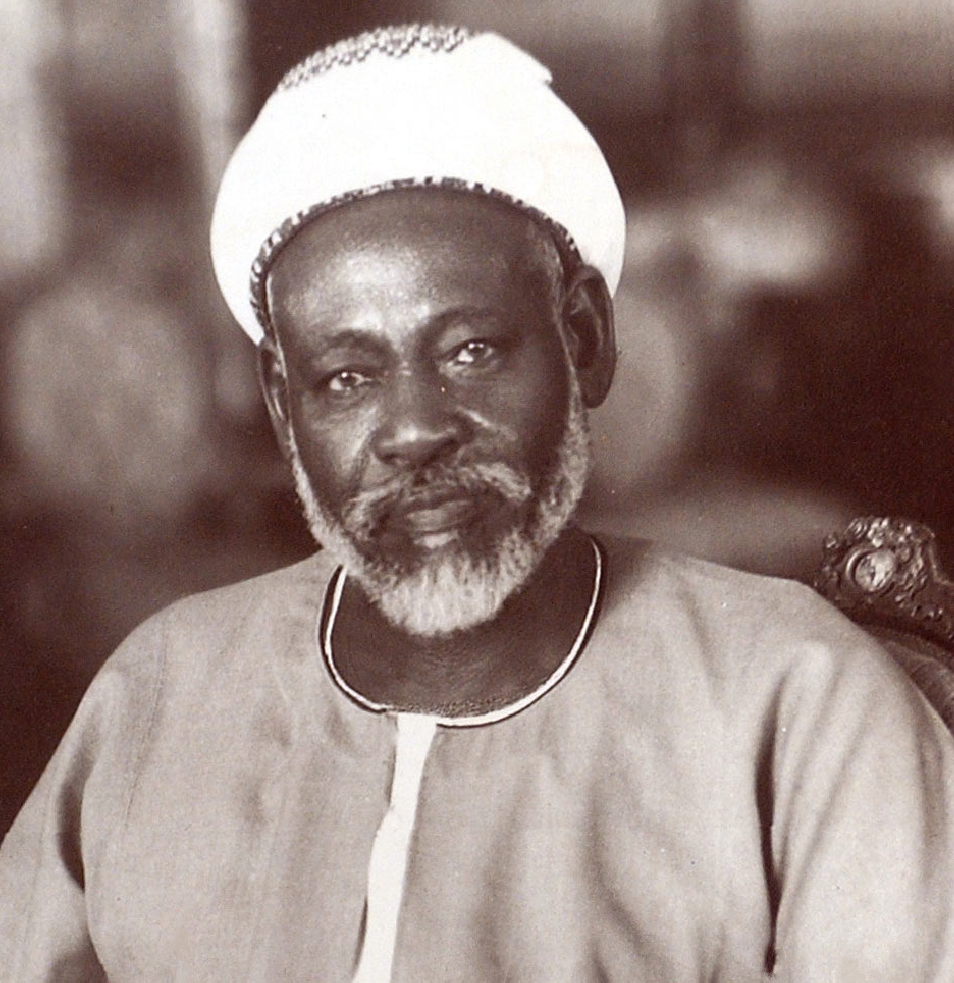
Frequently Asked Questions
Who is Abd Allah al-Mahdi Billah?
He was the eleventh Imam of the Isma'ili branch of Islam and the Arab founder of the Fatimid Caliphate in the early 10th century. He traced his lineage back to the Prophet Muhammad through the Husaynid Alid line.
What was Abd Allah al-Mahdi Billah's role or 'power'?
As the Isma'ili Imam, he combined spiritual authority over his community with the political act of founding a new caliphate in Ifriqiya. He personally directed the Isma'ili da'wa, the missionary network that built the popular base for the Fatimid state.
How does Abd Allah al-Mahdi Billah's story end?
He died in 934 CE in Sfax, in what is now Tunisia, only a few years after the Fatimid Caliphate was formally established. His son Abdullah al-Qahir took the throne as the second Fatimid caliph.
Why is Abd Allah al-Mahdi Billah important?
He is the founding figure of the Fatimid Caliphate, a dynasty that would dominate North Africa and later Egypt for centuries. His creation of a rival caliphate permanently reshaped the political and religious map of the Near East and Africa.
What did Abd Allah al-Mahdi Billah build?
He established the palace city of Mahdiya in Ifriqiya, which served as the early administrative and ceremonial capital of the Fatimid state. The city took its name directly from his title, 'al-Mahdi.'
More in Ancient Rulers Of Africa And The Near East 1-24
Spotted an error? Know more?
This is a living reference — every entry is fact-audited, and reader corrections feed straight into our audit queue. Suggest an edit · See this site's audit record