
Ahmose I
Founder of the Eighteenth Dynasty who expelled the Hyksos.

via Wikipedia: List of conflicts in the Near East · see source
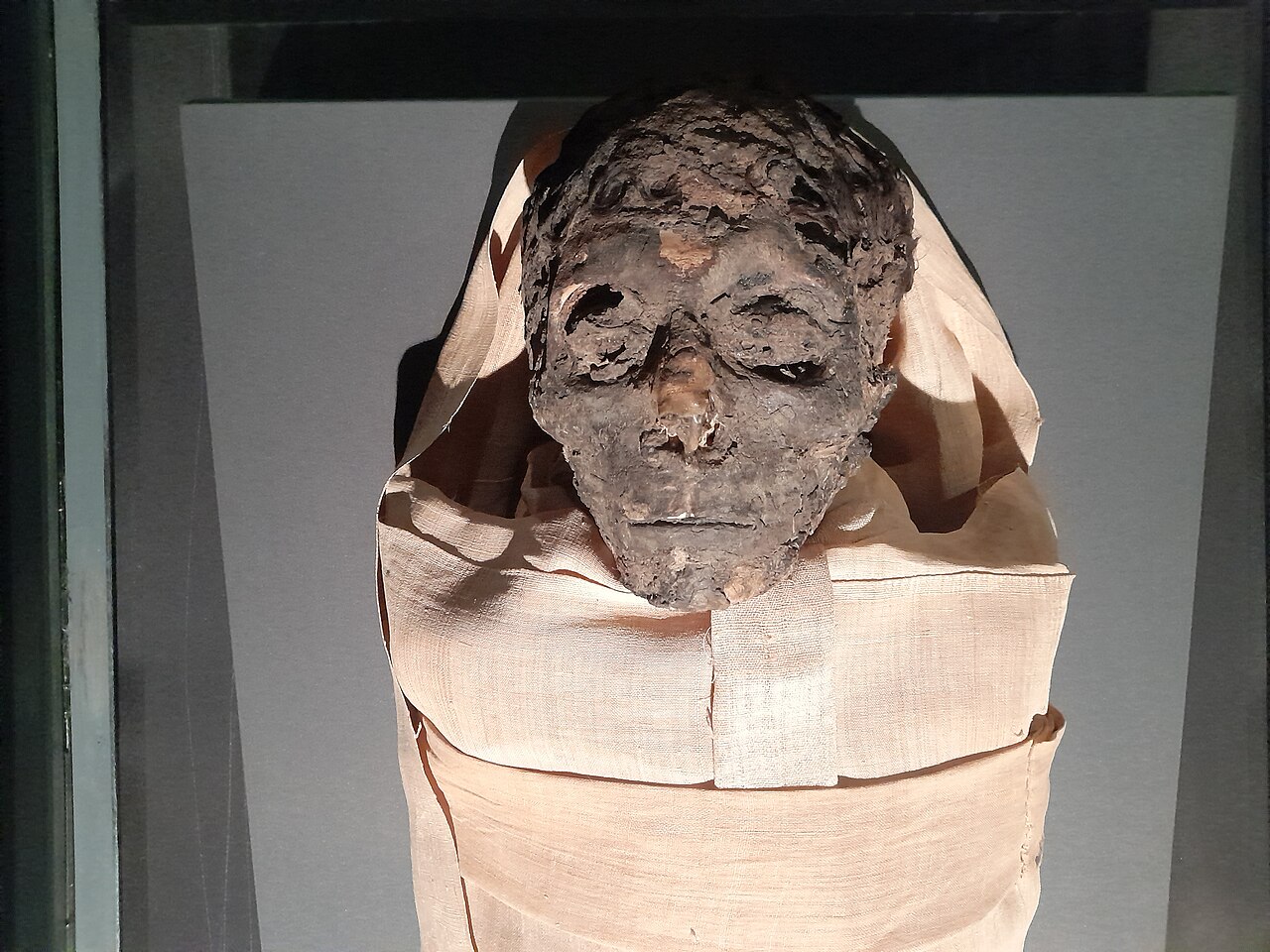
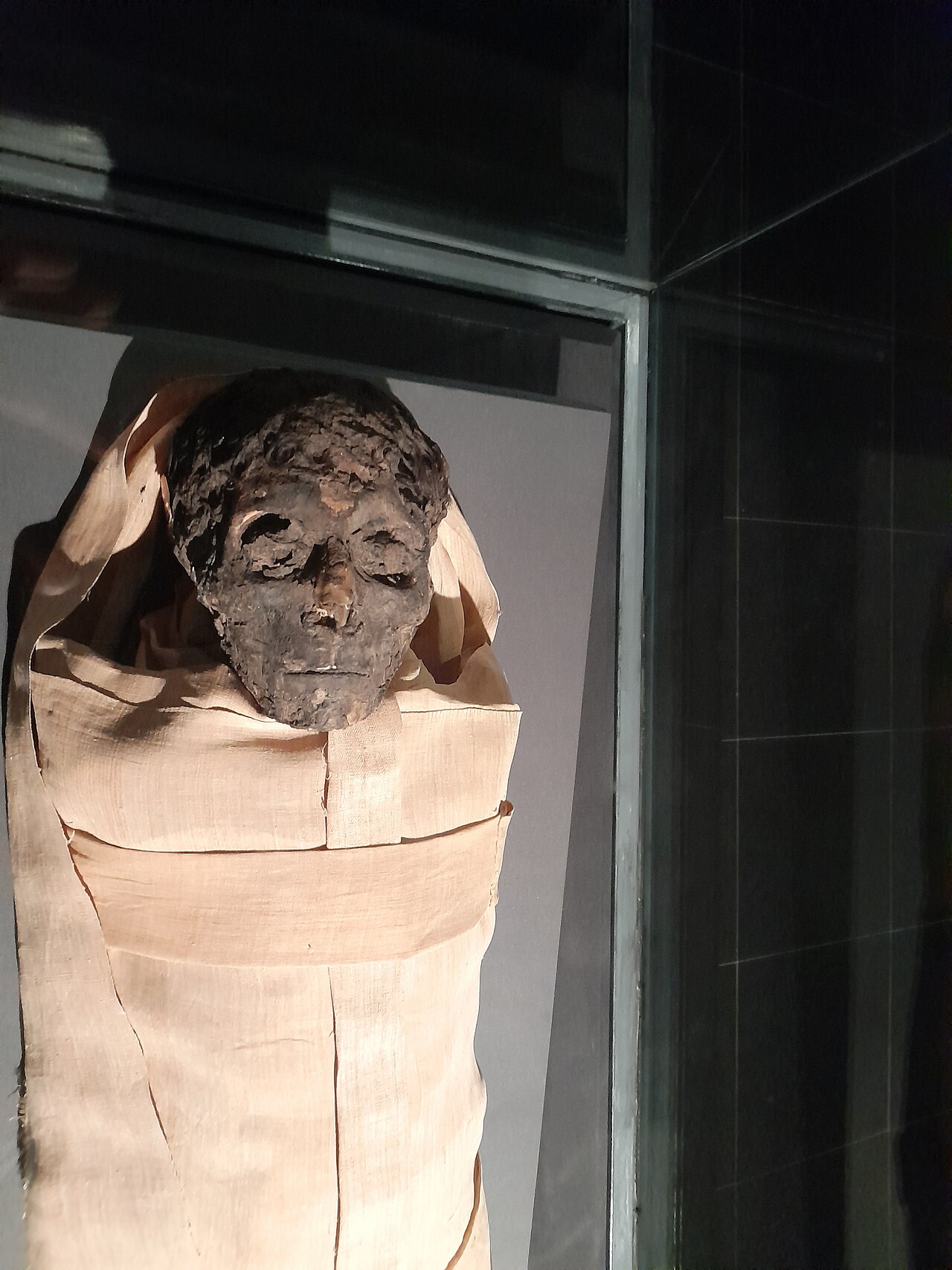
Ahmose I was a pharaoh of the Eighteenth Dynasty of Egypt in the New Kingdom of Egypt. His reign is usually dated to the mid-16th century BC at the beginning of the Late Bronze Age. During his rule, Ahmose completed the conquest and expulsion of the Hyksos, restored Theban rule over Lower- and Upper Egypt, and successfully reasserted Egyptian power in its formerly subject territories of Nubia and Canaan.
- Born
- c. mid-16th century BC
- Field
- Pharaoh
- Nationality
- Egyptian
- Known for
- Founding the Eighteenth Dynasty, expelling the Hyksos, reuniting Egypt, building
Lore & Background
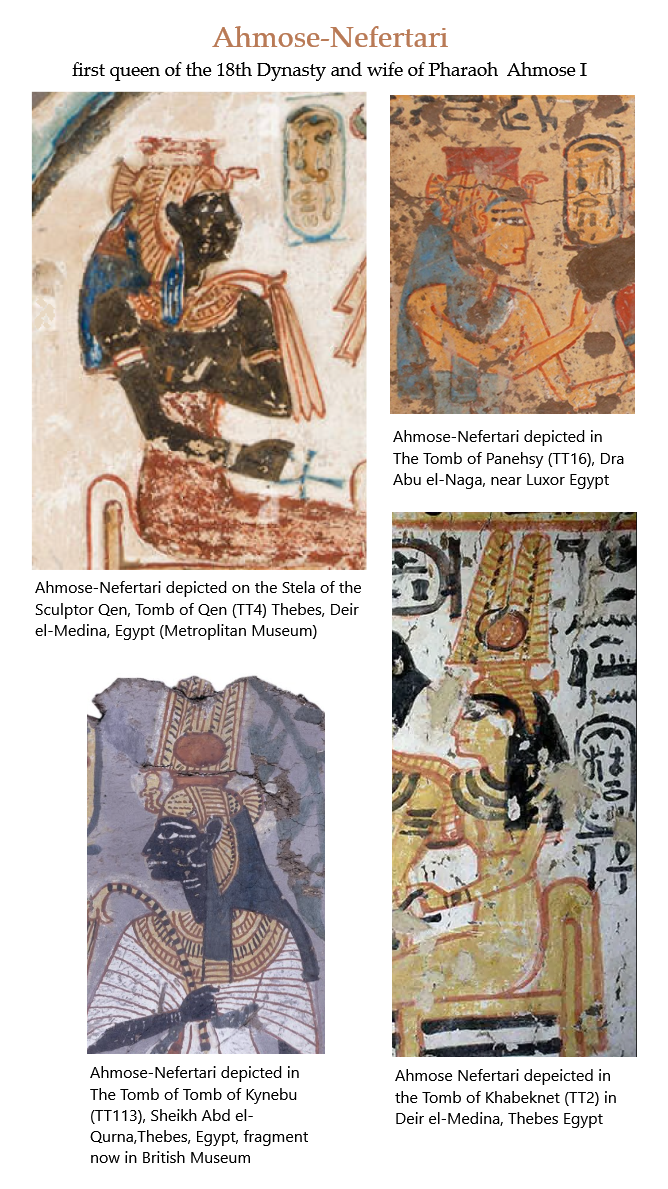
When he was seven years old, his father was killed, and he was about ten when his brother died after reigning only three years. His mother, Ahhotep, reigned as regent until he was of age. He married several of his sisters, making Ahmose-Nefertari his chief wife, and they had several children including Amenhotep I, who succeeded him.
Reader's Guide
Ahmose I's reign laid the foundations for the New Kingdom, under which Egyptian power reached its peak. He reorganized the administration of the country, reopened quarries, mines and trade routes, and began massive construction projects culminating in the last pyramid built by native Egyptian rulers. The priest and historian Manetho considered the final expulsion of the Hyksos and restoration of native Egyptian rule a significant enough event to warrant the start of a new dynasty. Ahmose's military campaigns included three attacks against the Hyksos capital Avaris, a fourth attack that conquered it, and a three-year siege of Sharuhen. He also campaigned in Syria and Nubia, reaching at least as far as Kedem. His success reunited the Two Lands and established the Eighteenth Dynasty, marking the beginning of Egypt's New Kingdom era.
Did You Know?
- Ahmose I was about ten years old when his brother Kamose died after reigning only three years.
- His mother Ahhotep reigned as regent until he was of age.
- He launched three attacks against the Hyksos capital Avaris before a fourth conquered it.
- He besieged Sharuhen for three years.
- Manetho considered the expulsion of the Hyksos significant enough to start a new dynasty.
The Liberation of Lower Egypt
The defining achievement of Ahmose I, ruler of Egypt's Eighteenth Dynasty, was the military conquest of Hyksos-controlled Lower Egypt, a campaign spanning roughly from 1550 or 1549 BC through 1531 BC. This liberation followed a prolonged period of conflict: the Hyksos and the Seventeenth Dynasty of Egypt had been locked in wars across Lower Egypt from approximately 1580 to 1550 BC, a struggle that left the northern part of the country under foreign dominion. The conquest marked the formal beginning of the New Kingdom of Egypt, a period that would see the pharaoh's successors project power far beyond the country's traditional borders. In the broader chronology of Near Eastern conflicts, Ahmose's victory stands as a turning point that shifted the balance of power in the region and set the stage for subsequent Egyptian military operations into the Levant and Nubia.
Pushing Beyond the Nile: Syria and Nubia
Following his consolidation of power over all of Egypt, Ahmose I turned his attention outward. These expeditions represent some of the earliest recorded instances of the New Kingdom pharaohs projecting force into the Levant and the southern desert regions. The Syrian campaign in particular placed Ahmose's armies in a theater that would remain a focal point of Egyptian military activity for centuries, as later pharaohs such as Thutmose III would return to the same general region for the famous Battle of Megiddo in 1457 BCE. By taking the fight to neighboring territories in both directions—northward into the Levant and southward into Nubia—Ahmose established a pattern of bilateral expansion that characterized the early New Kingdom and positioned Egypt as a dominant military power in the broader Near Eastern landscape encompassing Anatolia, the Levant, Mesopotamia, and the Arabian Peninsula.
Echoes of the First Unification
Ahmose I's conquest of Lower Egypt did not occur in a vacuum; it was the culmination of a long arc of political fragmentation and reunification in Egyptian history. The precedent for unifying the two halves of the country stretched back to approximately 3100 BC, when Upper and Lower Egypt were first joined into a single polity during the Early Dynastic Period. For nearly two millennia, that unity held, but the Second Intermediate Period shattered it. From roughly 1580 to 1550 BC, the Hyksos and the indigenous Seventeenth Dynasty waged wars across Lower Egypt, effectively dividing the country into rival spheres of control. Ahmose, as a king of the Eighteenth Dynasty, completed the work of reunification by conquering the Hyksos-ruled territories between 1550 or 1549 BC and 1531 BC.
A Pivotal Point in the Near Eastern Conflict Record
Within the vast chronological catalogue of Near Eastern conflicts spanning from the epipaleolithic era to the mid-twentieth century, Ahmose I's military actions occupy a distinctive and consequential position. His conquest of Hyksos-ruled Lower Egypt (1550/1549–1531 BC) and his subsequent campaigns into Syria and Nubia (c. 1537 BCE) sit squarely in the Bronze Age, bracketed by earlier Sumerian and Akkadian wars of the third millennium and later New Kingdom engagements such as Thutmose III's Battle of Megiddo in 1457 BCE and Ramses II's clash with the Hittite Empire at Kadesh in 1247 BCE. The Near East as a military theater—encompassing Anatolia, the Levant, Mesopotamia, Persia, Egypt, the Arabian Peninsula, and the Caucasus—had already seen centuries of sieges, raids, and conquests before Ahmose took the field. Yet his campaigns are notable for ending a foreign occupation of Egypt itself and for opening the door to Egyptian power projection into Syria, a region that would feature prominently in the conflict records for the next several centuries.
Gallery
Frequently Asked Questions
Who is Ahmose I?
Ahmose I is the founding pharaoh of Egypt's Eighteenth Dynasty, ruling during the New Kingdom in the mid-16th century BC. He is best remembered for driving the Hyksos invaders out of the Nile Delta and reuniting Upper and Lower Egypt under Theban authority.
What was Ahmose I's role as ruler?
As pharaoh, he held supreme political and military authority over a fully unified Egypt. His reign also marks the opening of the Late Bronze Age era for Egyptian civilization, shifting the country into a new imperial phase.
How does Ahmose I's story end?
His reign closed in the mid-16th century BC after he had secured Egypt's frontiers and reasserted dominance over Nubia and Canaan. He then passed the throne to his successors within the newly established Eighteenth Dynasty, leaving behind a stable and expanded realm.
Why is Ahmose I important in Egyptian history?
He ended the Second Intermediate Period by expelling the Hyksos, which restored Theban control across both halves of Egypt. His victories in Nubia and the Levant also laid the groundwork for the New Kingdom's later imperial expansion.
What did Ahmose I build or achieve beyond warfare?
In addition to his military campaigns, he is credited with construction projects that reinforced Theban power and consolidated the new dynasty's legitimacy. His combined legacy as conqueror, unifier, and builder made him the foundational figure of the Eighteenth Dynasty.
More in Ancient Rulers Of Africa And The Near East 1-24
Elsewhere in the Ancient Rulers Of Africa And The Near East universe
Spotted an error? Know more?
This is a living reference — every entry is fact-audited, and reader corrections feed straight into our audit queue. Suggest an edit · See this site's audit record