
Amenhotep I
Second pharaoh of Egypt's 18th Dynasty, worshipped as a deity after his death.

via Wikipedia: Amenhotep III · see source
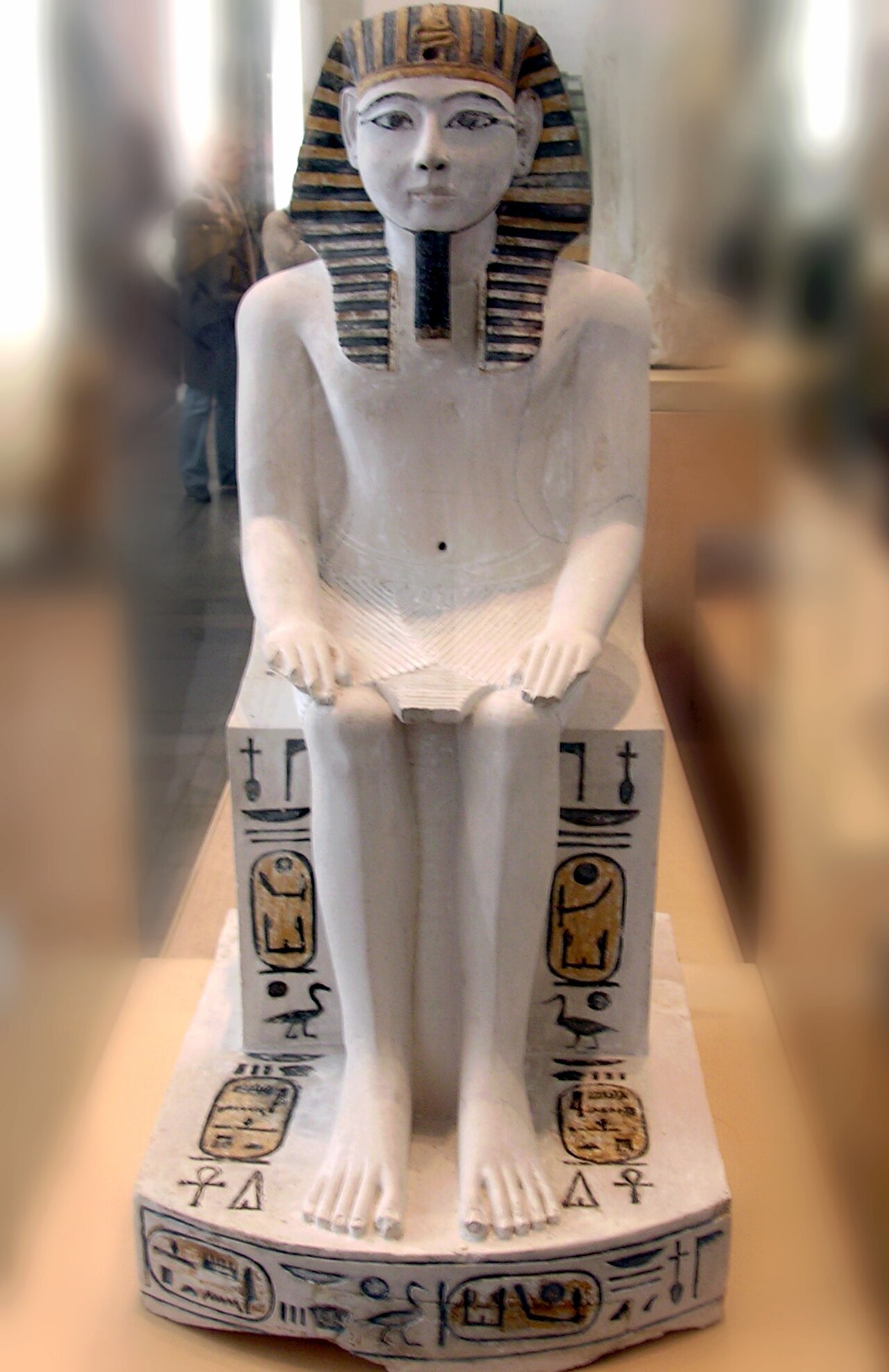
Amenhotep I (lit. 'Amun is satisfied'), also known as Amenhotep the Magnificent or Amenhotep the Great and Hellenized as Amenophis I, was the second pharaoh of the Eighteenth Dynasty. According to different authors following the 'Low Chronology', he ruled Ancient Egypt from approximately 1526 to 1506 BC, after his father Ahmose I died. Amenhotep was Ahmose's son by his great royal wife, Ahmose-Nefertari. His reign marked a time of consolidation and cultural development, during which Egypt stabilized after the expulsion of the Hyksos and expanded its influence into Nubia, making him one of ancient Egypt's foundational pharaohs. He is also one of the few pharaohs worshipped as a deity after his death.
- Born
- probably around 1540 BC
- Died
- 21st year of his reign
- Field
- Pharaoh of Egypt
- Nationality
- Egyptian
- Known for
- Second pharaoh of the 18th Dynasty; worshipped as a deity after his death; expanded Egyptian control into Nubia
Lore & Background
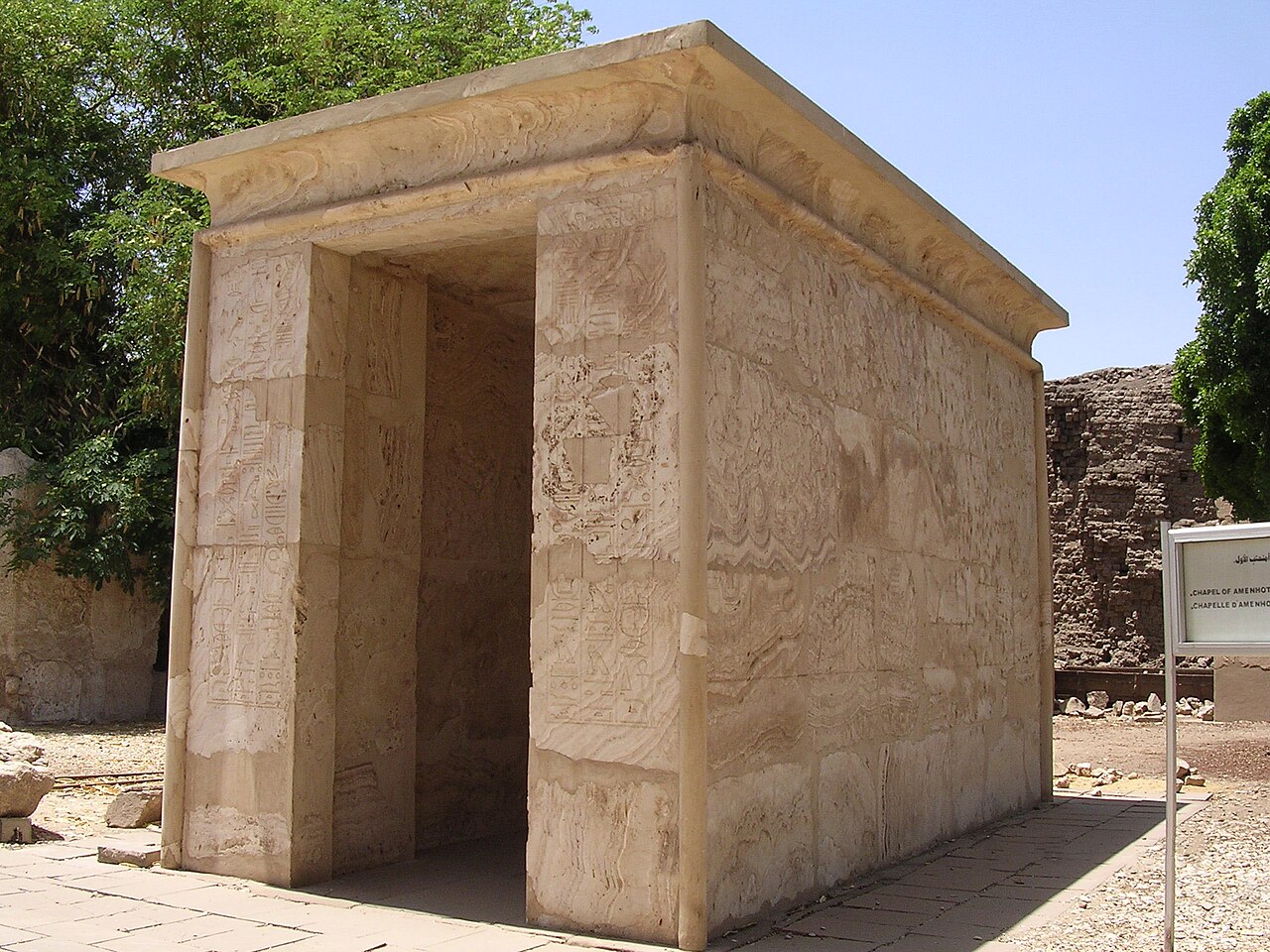
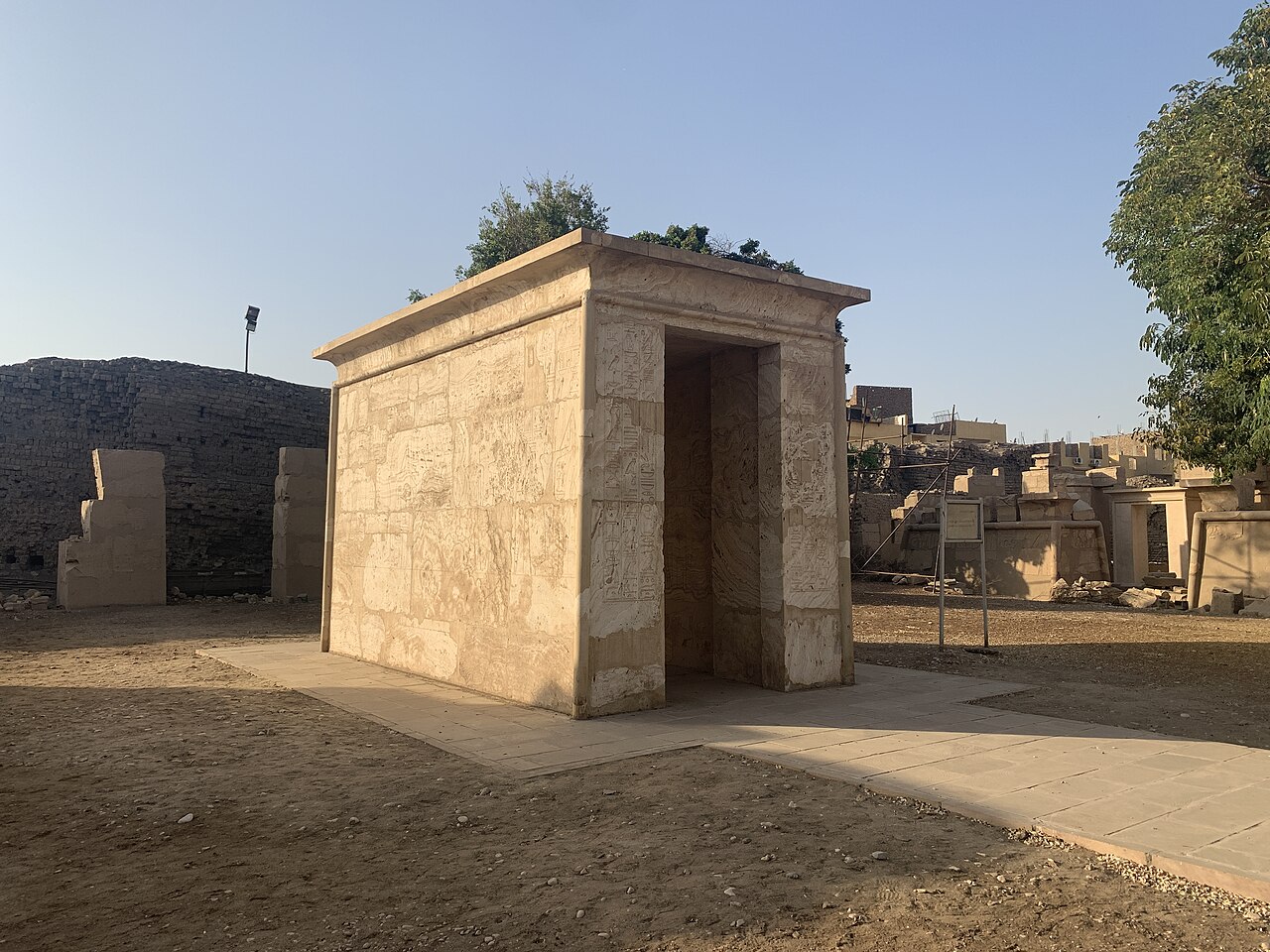
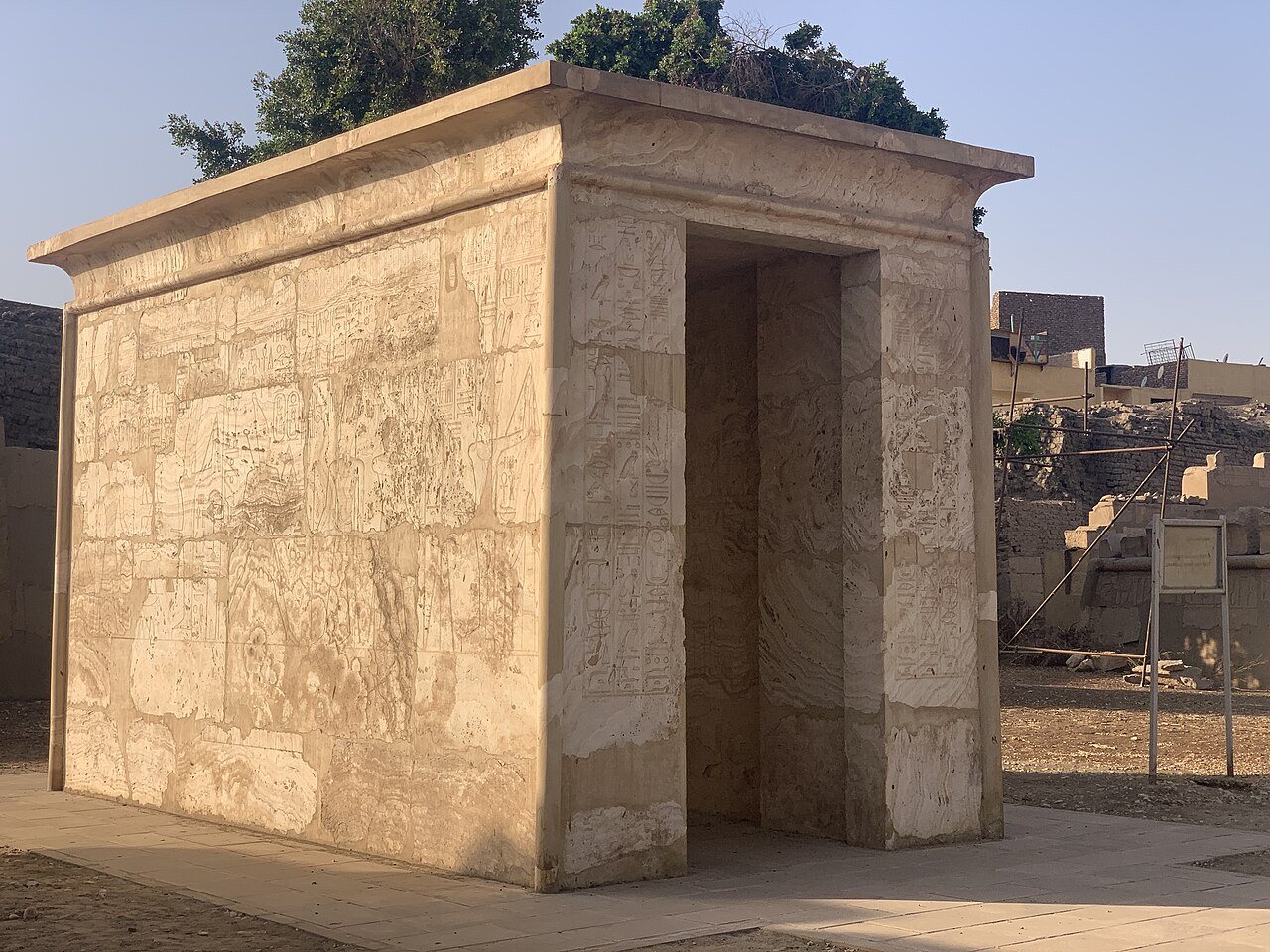
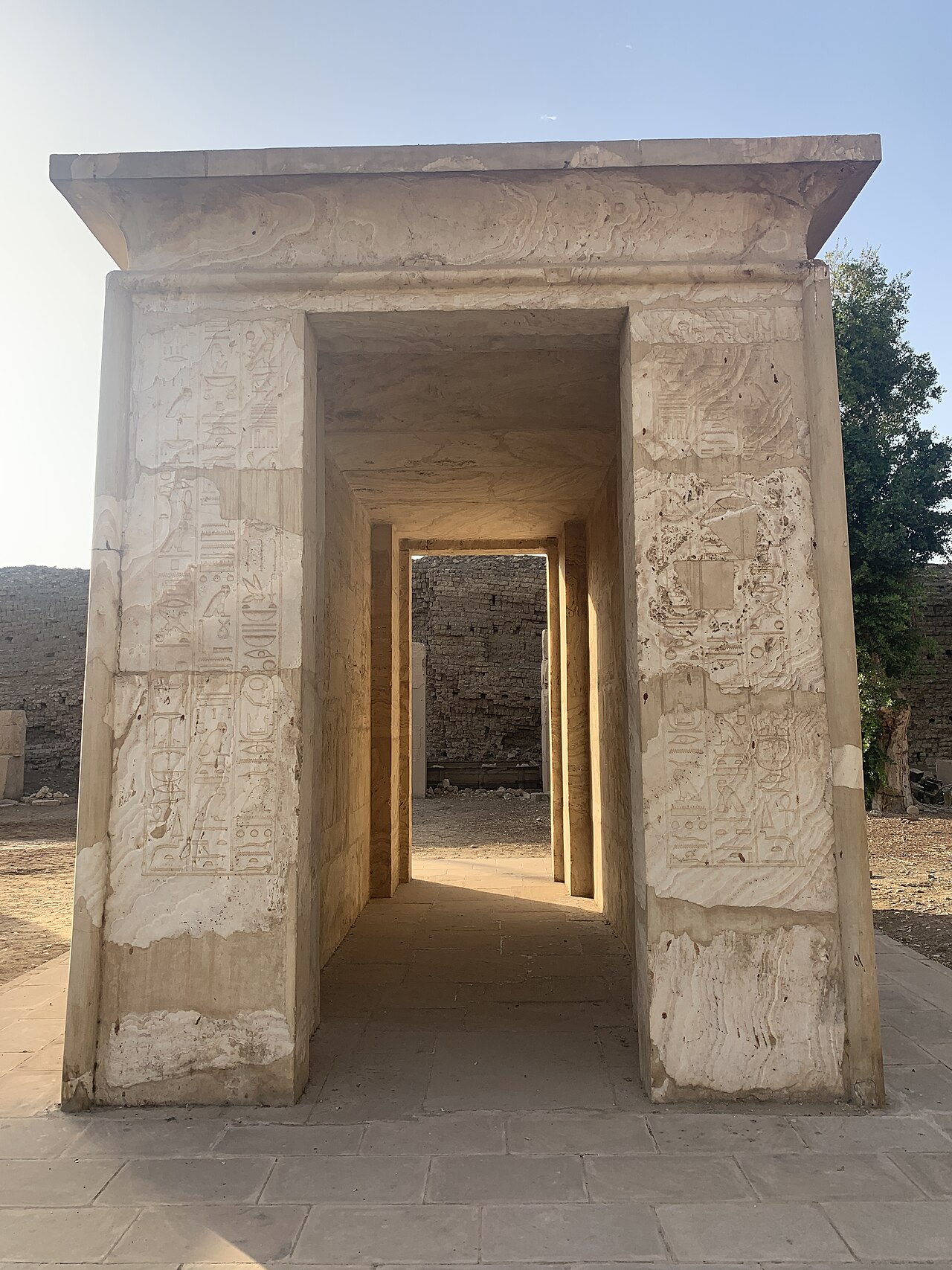
Amenhotep I was born probably around 1540 BC, the son of Ahmose I and his great royal wife Ahmose-Nefertari. He later commissioned the depiction of his divine birth at Karnak, claiming his true father was the god Amun, who took the form of Ahmose I. He married his sister Ahmose-Meritamun, who became his Great Royal Wife, but the couple had no known surviving sons. Amenhotep I led military campaigns into Nubia, extending Egyptian control as far as the Second Cataract, and also likely campaigned in Libya. He oversaw the construction of a mud-brick mortuary temple at Deir el-Bahri and contributed to the Karnak temple complex, including a barque shrine and a chapel. He is known for founding the village of Deir el-Medina, home to the artisans who built the royal tombs. After his death, he and his mother Ahmose-Nefertari were deified as the patron gods of the necropolis workforce.
Reader's Guide
Amenhotep III probably became pharaoh between ages 6 and 12, though no regent is attested. In Regnal Year 11, he commanded construction of an artificial lake at Tiye's hometown of Djakaru, celebrating a Festival of Opening the Lake and rowing the royal barge Aten-tjehen on it—commemorated on at least eleven scarabs. Other scarabs record he killed either 102 or 110 lions in his first ten years. He participated in only one military campaign: in Regnal Year 5, he led a victorious campaign against a rebellion in Kush, commemorated by three rock-carved stelae near Aswan and Saï in Nubia. His court included viziers Ramose, Amenhotep, Aperel, and Ptahmose; treasurers Ptahmose and Merire; high stewards Amenemhat Surer and Amenhotep (Huy); and Viceroy of Kush Merimose. Amenhotep, son of Hapu, held many offices and was deified after death—one of few non-royals so worshipped. The Malkata palace, built from mud-brick beginning around Regnal Year 11, became his permanent residence around Regnal Year 29 and was the largest royal residence in Egypt. In his 30th Regnal Year, Amenhotep adopted the epithet 'Aten-Tjehen' ('the Dazzling Sun Disk'), showing increased interest in the Aten god, though his main devotion remained to Amun-Ra. He celebrated three Sed festivals in Regnal Years 30, 34, and 37 at Malkata, each lasting two to eight months. The festivals involved dual coronations for Upper and Lower Egypt, with Amenhotep wearing the white crown then the red crown. After the Sed festival, he transcended from near-god to divine. Diplomatic correspondence from his reign is partially preserved in the Amarna Letters, covering from Year 30 until at least the end of Akhenaten's reign. In Amarna Letter EA 4, Amenhotep firmly rejected the Babylonian king's request to marry one of his daughters, stating: 'From time immemorial, no daughter of the king of Egy[pt] is given to anyone.' He died in the 38th or 39th year of his reign and was succeeded by his son Amenhotep IV, who later changed his name to Akhenaten.
Did You Know?
- Amenhotep I claimed his true father was the god Amun, who took the form of Ahmose I to father him with Ahmose-Nefertari.
- He founded the village of Deir el-Medina, home to the artisans who built the royal tombs in the Valley of the Kings.
- He married his sister Ahmose-Meritamun, but had no known surviving sons.
- In Nubian campaigns, he extended Egyptian control as far as the Second Cataract.
- His mortuary temple at Deir el-Bahri was built of mud-brick and later dismantled by Hatshepsut for her own temple.
Royal Bloodline and the Harem of Thebes
Amenhotep III entered the world around 1401 BC as the son of Thutmose IV and his lesser wife Mutemwiya. He later commissioned a divine-birth scene for Luxor Temple, asserting that the god Amun had assumed his father's form to conceive him. His political marriage to Tiye, daughter of Yuya and Thuya, in his second regnal year cemented his dynasty's legitimacy, a claim he reinforced through commemorative scarabs distributed across the kingdom. The couple produced at least two sons—Crown Prince Thutmose and the future Akhenaten—along with several daughters including Sitamun, Henuttaneb, Iset, Nebetah, and Beketaten. Beyond Tiye, his harem expanded considerably: he took Gilukhepa of Mitanni in Year 10, Tadukhepa in roughly Year 36, daughters of Babylonian and Arzawan rulers, and even two of his own daughters, Sitamun and Iset, in the final decade. These unions wove diplomatic threads across the ancient Near East while reinforcing royal bloodlines.
A Court of Unmatched Splendor
The thirty-eight or thirty-nine years of Amenhotep's rule represented the apex of Eighteenth Dynasty wealth and cultural production. His court, documented through tombs in the Theban Necropolis, included viziers Ramose, Amenhotep, Aperel, and Ptahmose, treasurers Ptahmose and Merire, high stewards Amenemhat Surer and Huy, and the Viceroy of Kush, Merimose. One official, Amenhotep son of Hapu, accumulated so many offices that he was granted the extraordinary privilege of constructing his mortuary temple directly behind the king's own, and was later deified—a distinction rarely bestowed on non-royals. The king's personal residence, the Malkata palace (Per-Hay, "House of Rejoicing"), was built of mud-brick beginning around Year 11 and occupied permanently by Year 29. At completion it stood as the largest royal residence in Egypt. In Year 11 he also ordered an artificial lake at Djakaru, Tiye's hometown, celebrating its opening aboard the royal barge Aten-tjehen in a ceremony marked by at least eleven commemorative scarabs.
The Lion-Slayer and the Sun Disc
Despite his image as a peaceful patron of the arts, Amenhotep did lead one military campaign. In his fifth regnal year, while between eleven and seventeen years old, he personally commanded a successful suppression of a rebellion in Kush. The victory was recorded on three rock-carved stelae near Aswan and Saï, with the official narrative emphasizing his martial prowess in the hyperbolic style typical of the era. Commemorative scarabs also record that he slew either 102 or 110 lions during his first decade on the throne. Religiously, his later years saw a shift: in Year 30 he adopted the epithet Aten-Tjehen, "the Dazzling Sun Disc," elevating the Aten from a minor deity to one bearing royal patronage. He named his palace and a royal boat after the Aten and gave his youngest daughter the name Beketaten, "Handmaid of Aten." Yet his primary devotion remained with Amun-Ra, and he never made the Aten exclusive—unlike his son Akhenaten, who would push the theology to a far more radical extreme.
Death, Deification, and the Shadow of Akhenaten
Amenhotep III died in the thirty-eighth or thirty-ninth year of his reign, succeeded by his son Amenhotep IV, who would soon rename himself Akhenaten and push the religious theology his father had only begun to elevate into a far more radical direction. Even in death, Amenhotep retained a singular distinction: he was one of the very few pharaohs worshipped as a living deity during his own lifetime, a testament to the extraordinary prestige his reign commanded. His legacy is inseparable from the cultural zenith his court produced—the grandest artistic output of ancient Egypt, the vast Malkata complex, and the diplomatic web of foreign princesses married into the royal household. Yet his final years also sowed the seeds of upheaval: the elevation of the Aten, the marriage of his daughters Sitamun and Iset to himself, and the uncertain parentage of later rulers like Smenkhkare and Tutankhamun all point to a dynasty in flux. The son who inherited his throne would reshape Egypt's spiritual landscape in ways his father could never have imagined.
Gallery
Frequently Asked Questions
Who is Amenhotep III?
Amenhotep III, whose name means 'Amun is satisfied,' was the ninth pharaoh of Egypt's Eighteenth Dynasty. He is also remembered by the epithets 'the Magnificent' and 'the Great,' and Greek sources rendered his name as Amenophis III.
What role or powers did Amenhotep III hold?
As pharaoh, he was the supreme ruler of ancient Egypt, and his authority was so absolute that he was worshipped as a living deity during his own reign. He governed from roughly the mid-14th century BC, succeeding his father Thutmose IV.
How does Amenhotep III's story end?
He died in either the 38th or 39th year of his reign, a span that varied in length depending on which chronology scholars adopt. His death marked the close of what many consider the golden peak of Eighteenth-Dynasty power.
Why is Amenhotep III important in the history of ancient rulers?
His reign is widely regarded as the high-water mark of Egyptian artistic production, economic prosperity, and diplomatic reach. Under his rule, Egypt's cultural and international influence stretched to its broadest extent before the later dynasties.
Who were Amenhotep III's parents and when was he born?
He was the son of Thutmose IV and a lesser consort named Mutemwiya, and scholars generally place his birth around 1401 BC. His relatively modest maternal lineage made his rise to the throne all the more notable within the dynasty's succession.
More in Ancient Rulers Of Africa And The Near East 1-24
Related in Ancient Rulers Of Africa And The Near East
Links follow this subject's own source article.
Elsewhere in the Ancient Rulers Of Africa And The Near East universe
Spotted an error? Know more?
This is a living reference — every entry is fact-audited, and reader corrections feed straight into our audit queue. Suggest an edit · See this site's audit record