
Amenemhat III
Pharaoh who oversaw Egypt's Middle Kingdom golden age.

via Wikipedia: Amenemhat I · see source
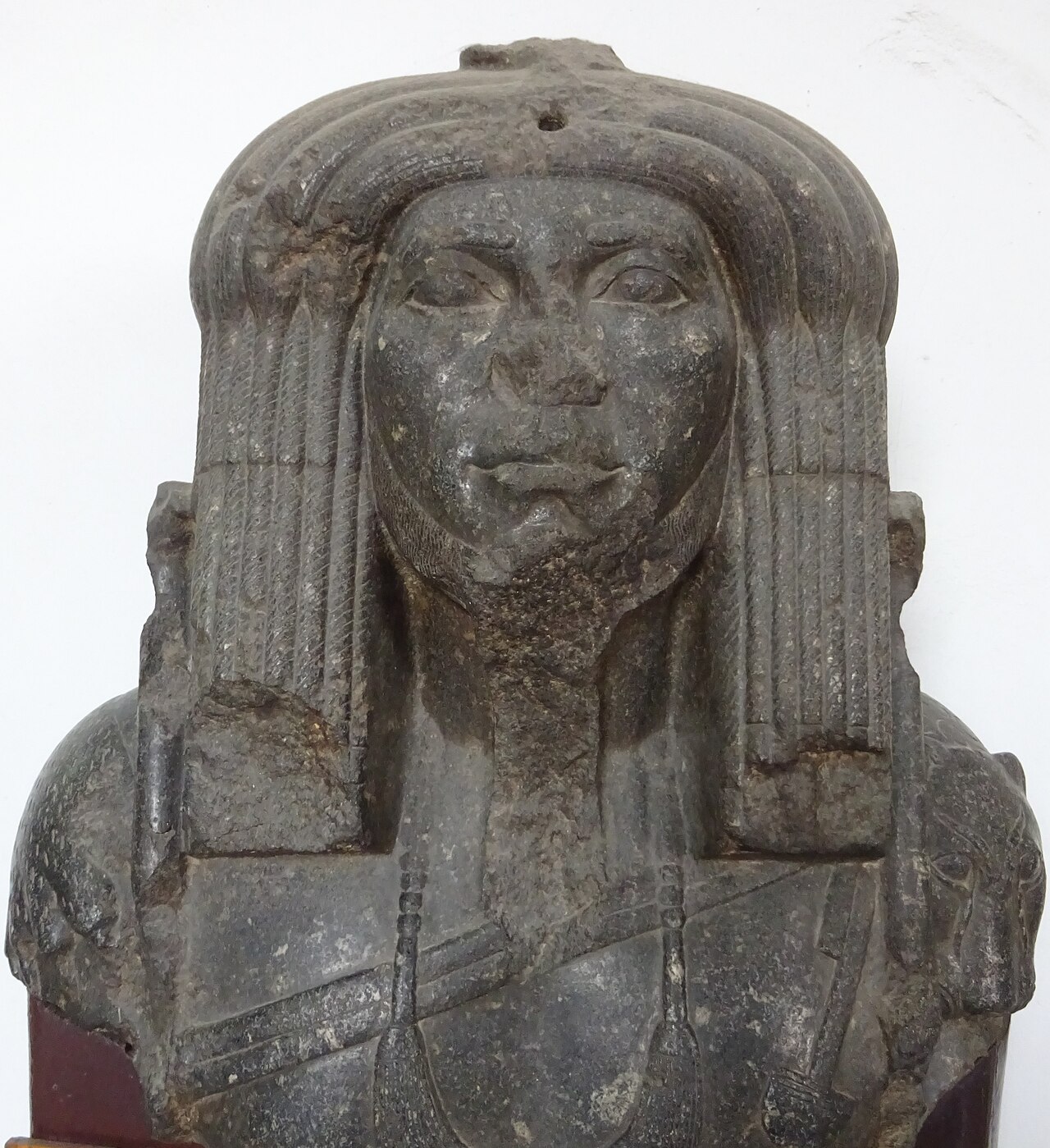
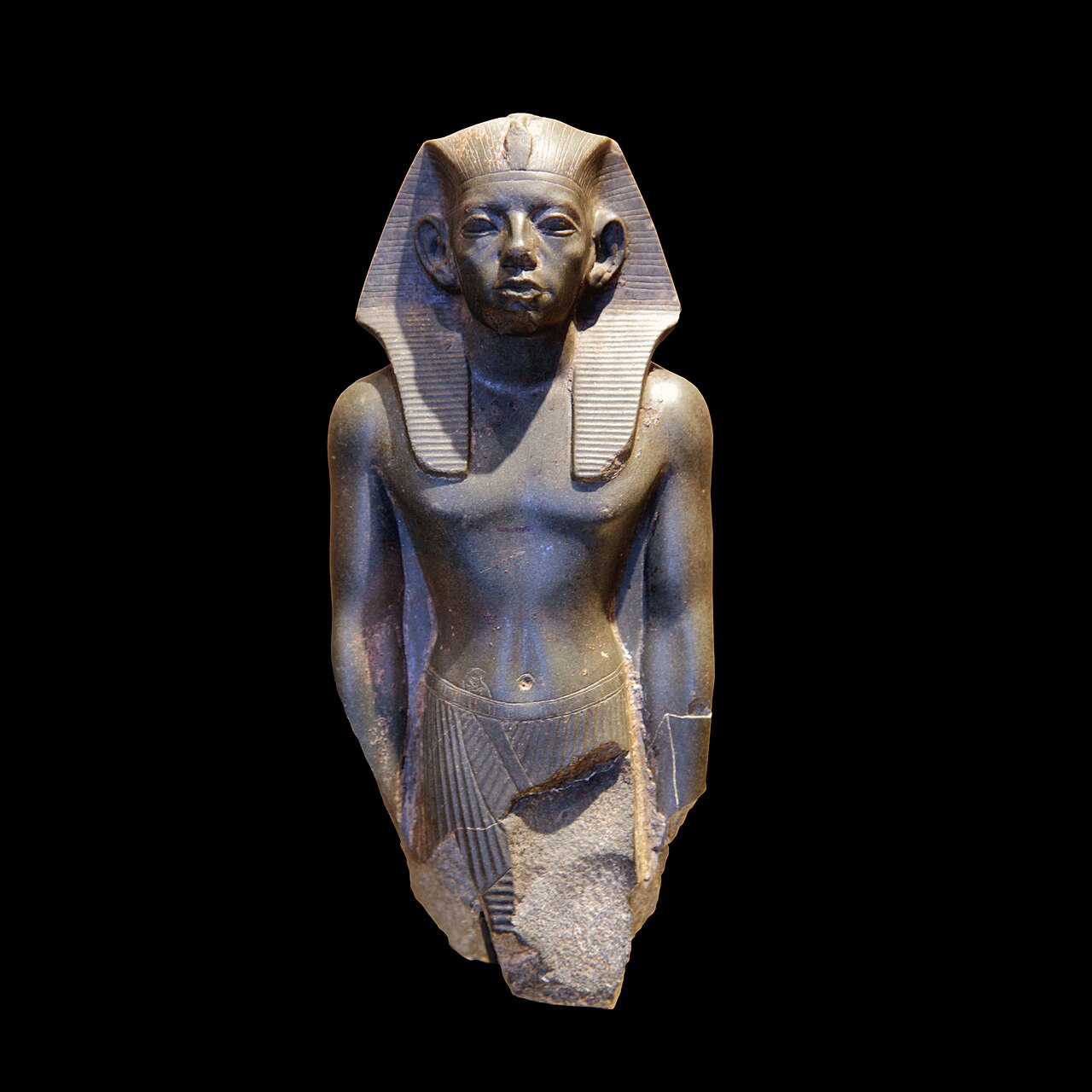
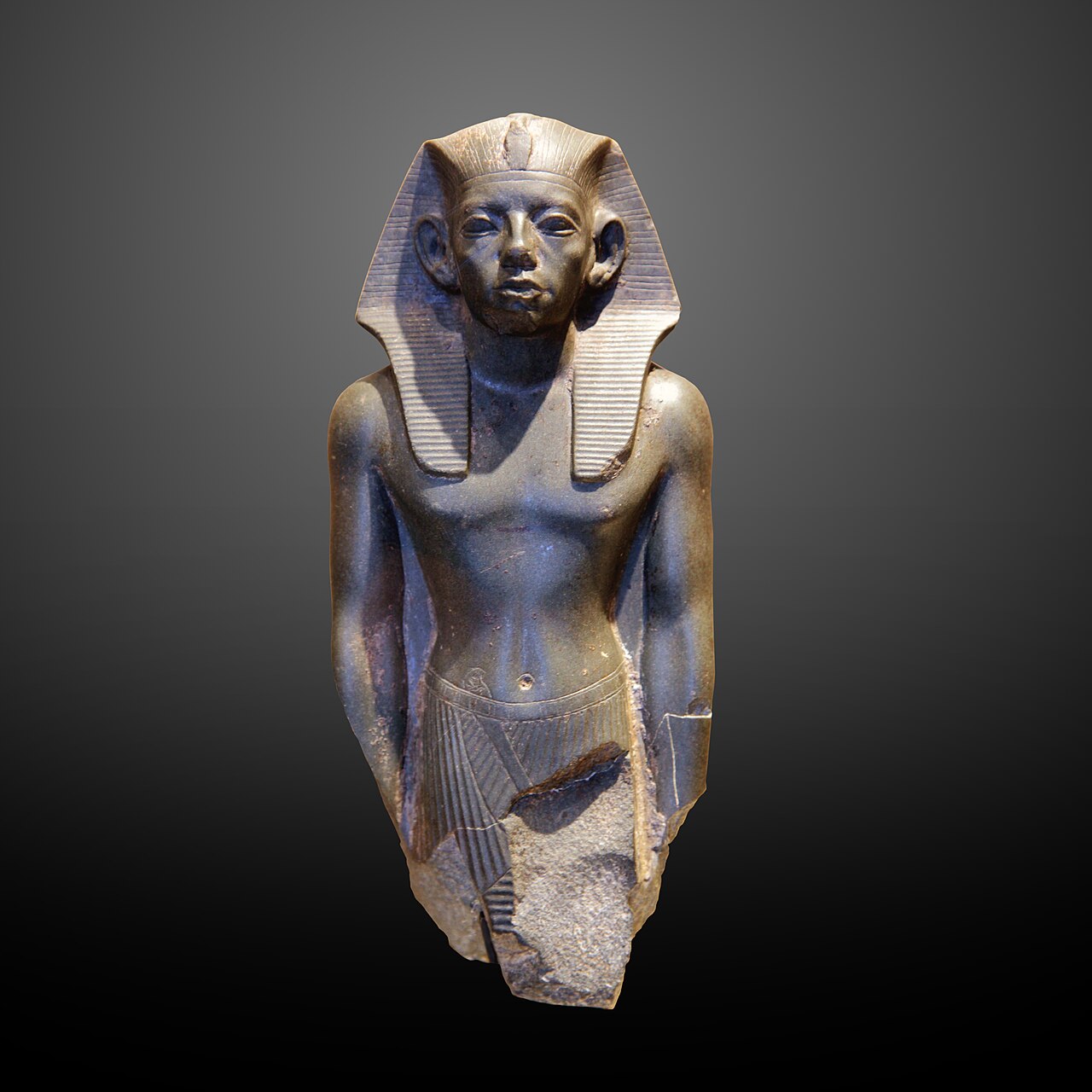
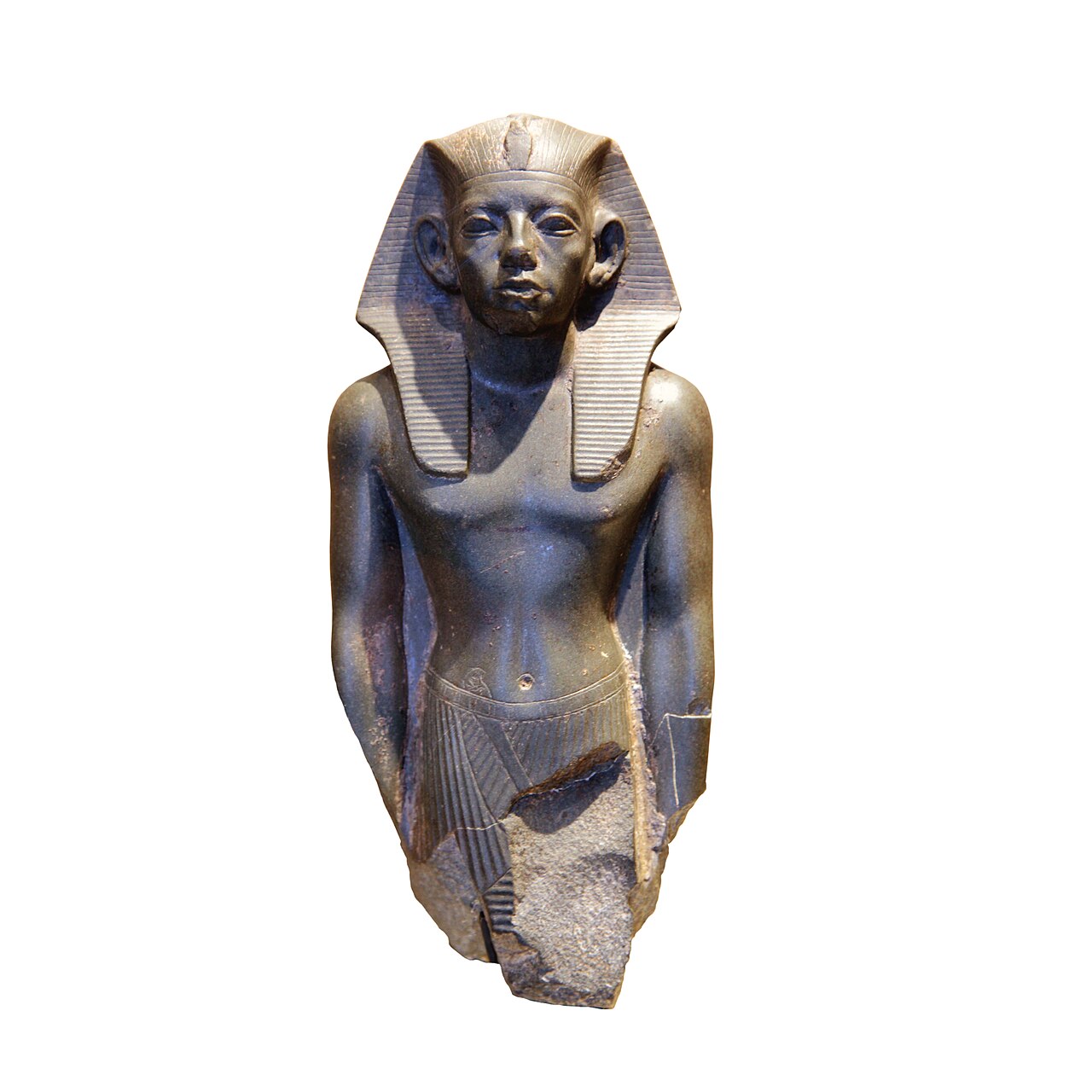
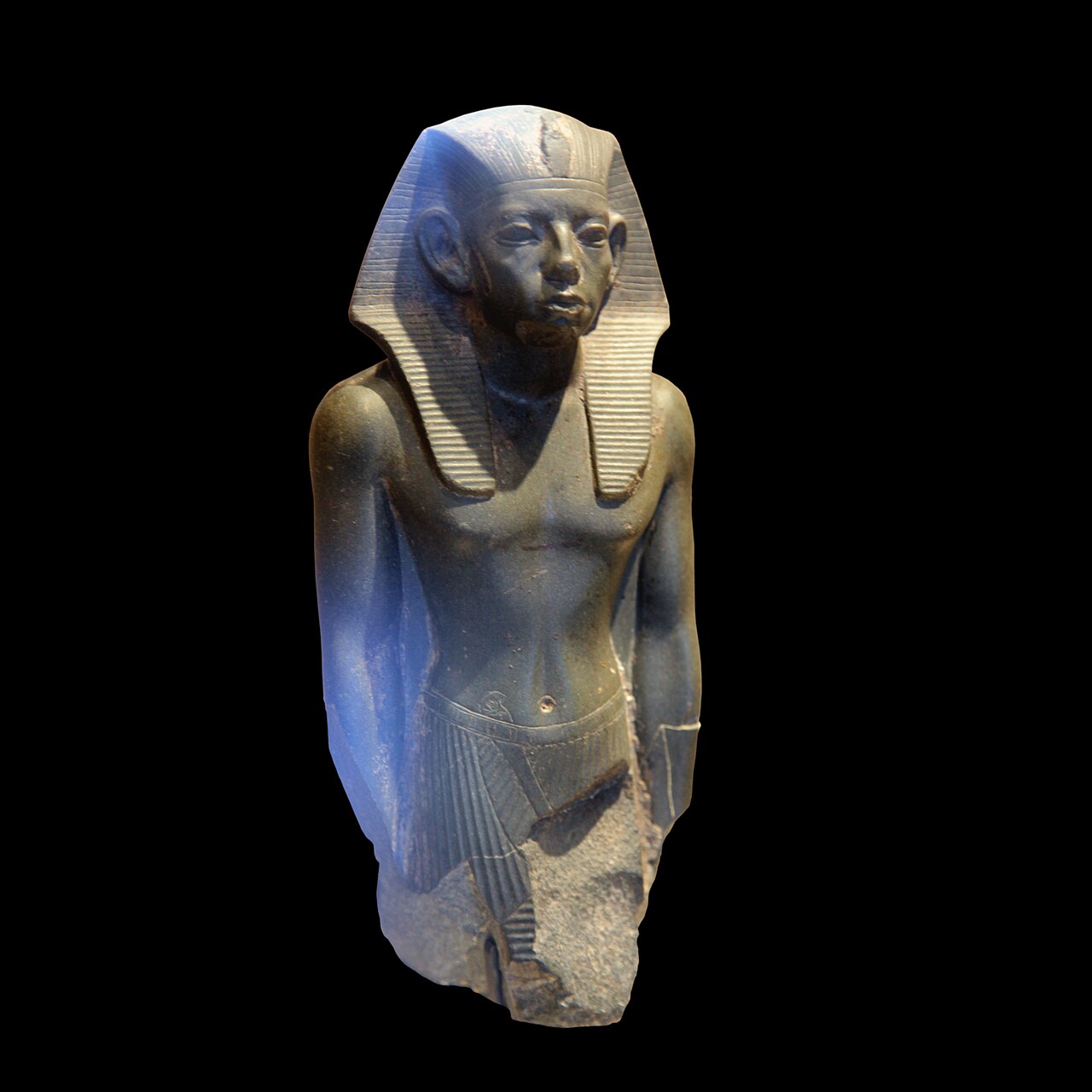
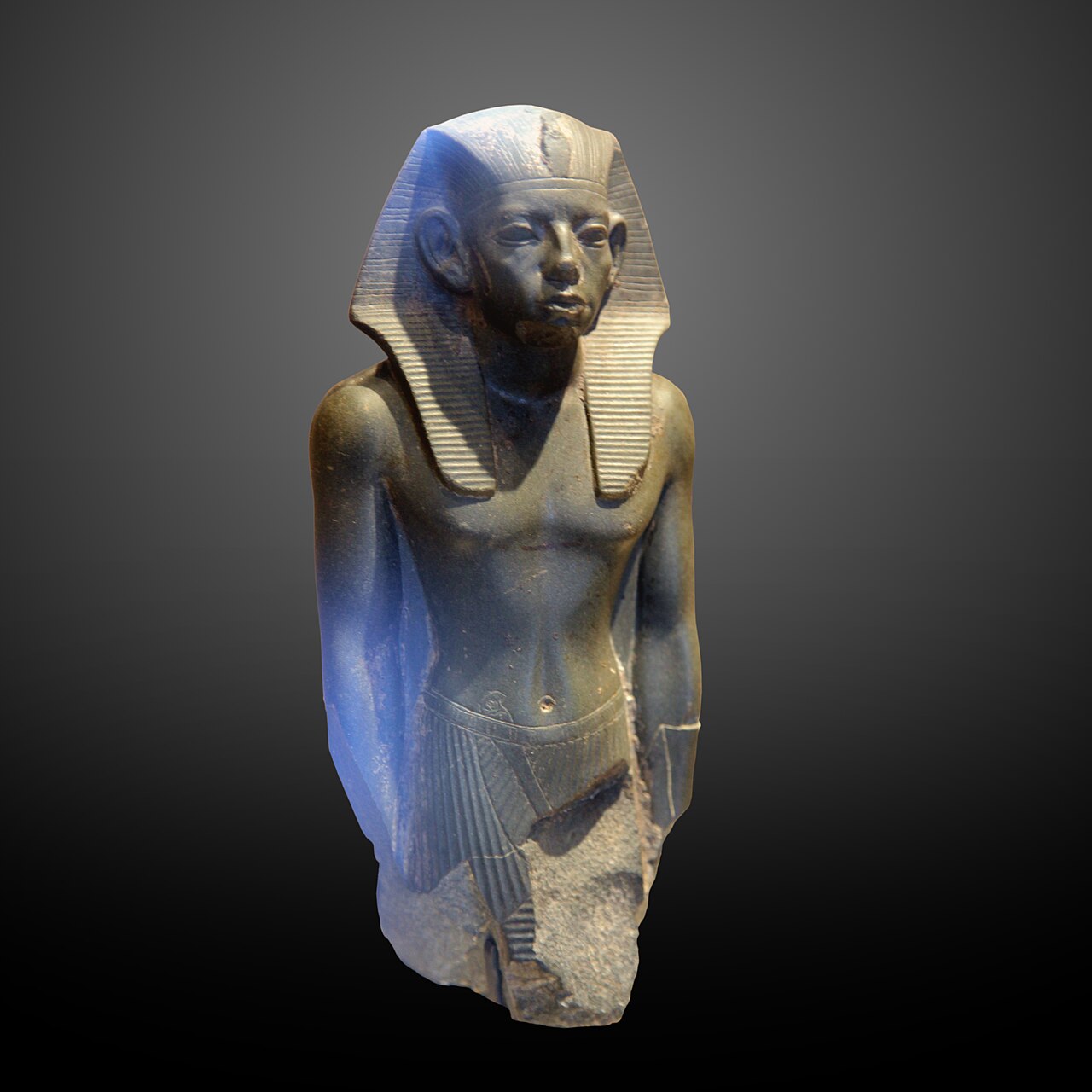
Amenemhat III, also known as Amenemhet III, was a pharaoh of ancient Egypt and the sixth king of the Twelfth Dynasty of the Middle Kingdom. He is believed to have been elevated to co-regent by his father Senusret III, with whom he may have shared the throne as the active king for the next twenty years. During his reign, Egypt attained its cultural and economic zenith of the Middle Kingdom.
- known_for
- Building program in Faiyum, two pyramid attempts (Black Pyramid at Dahshur and main pyramid at Hawara), cultural and economic peak of Middle Kingdom
Lore & Background
The aggressive military and domestic policies of Senusret III, which re-subjugated Nubia and wrested power from the nomarchs, allowed Amenemhat III to inherit a stable and peaceful Egypt. He directed his efforts towards an extensive building program with particular focus on Faiyum. His first pyramid, the 'Black Pyramid' at Dahshur, was largely abandoned due to structural issues, so he built his main pyramid at Hawara. Near to his Hawara pyramid is a pyramid for his daughter Neferuptah. To acquire resources for his building program, he exploited the quarries of Egypt and the Sinai for turquoise and copper. Other exploited sites include the schist quarries at Wadi Hammamat, amethyst from Wadi el-Hudi, fine limestone from Tura, alabaster from Hatnub, red granite from Aswan, and diorite from Nubia. A large corpus of inscriptions attest to the activities at these sites, particularly at Serabit el-Khadim. There is scant evidence of military expeditions during his reign, though a small one is attested at Kumma in his ninth regnal year. He also sent a handful of expeditions to Punt.
Reader's Guide
Amenemhat III's significance lies in his role as the ruler under whom the Middle Kingdom reached its cultural and economic peak. His two pyramids at Dahshur and Hawara mark him as the first pharaoh since Sneferu to build more than one. The extensive mining and quarrying expeditions he sponsored, particularly in the Sinai and across Egypt, supplied resources for these projects and are well-documented in inscriptions. His reign of at least 45 years, possibly 46, was long and prosperous, with a co-regency established toward its end with Amenemhat IV. The succession later passed to Sobekneferu, the last ruler of the Twelfth Dynasty. The uncertainty about his family relationships, including the identity of his mother and the parentage of Amenemhat IV, reflects the limits of available evidence.
Did You Know?
- Amenemhat III attempted two pyramids: the Black Pyramid at Dahshur (abandoned due to structural issues) and his main pyramid at Hawara; he was not the first pharaoh since Sneferu to build more than one pyramid—several ea
- Near his Hawara pyramid is a separate pyramid built for his daughter Neferuptah.
- He dedicated a temple to Sobek and a chapel to Renenutet in the Faiyum region.
- A small military expedition is attested at Kumma in his ninth regnal year.
- He sent a handful of expeditions to Punt during his reign.
Rise to Power and the Question of Legitimacy
Amenemhat I's ascent to the throne is among the most contested narratives in Middle Kingdom history. He was not of royal blood; his father Senusret bore the title "god's father," and his mother Nefret appears on an offering table from his Lisht pyramid with the designation "king's mother." References place her in the Upper Egyptian nome of Ta-Seti, and many Egyptologists in recent years have contended she was of Nubian origin. He is frequently identified with the vizier Amenemhat who commanded an expedition to Wadi Hammamat under Mentuhotep IV, and inscriptions from that site record prodigious events—a gazelle calf born upon the stone destined to become Mentuhotep IV's sarcophagus lid, a sudden rainstorm revealing a brimming well—that Gae Callender reads as divine validation of the vizier. Whether he deposed his predecessor, entered a short co-regency (a bowl from Lisht bearing both kings' names has been cited as evidence), or simply inherited the throne amid unrest involving rival claimants Inyotef and Segerseni, scholars have not agreed.
Family and the Seeds of a Dynasty
Amenemhat I's immediate family is known only in fragments, yet it reveals the personal architecture of a new dynasty. His presumed wife, Neferitatjenen, is attested through a statuette of her son Senusret I bearing the inscription "King Senusret born to King Amenemhat and born of the king's mother Neferitatjenen." Tragically, that statuette was stolen from the Louvre in 1830 and has never been recovered. Wolfram Grajetzki has questioned whether the name was even transcribed correctly, noting it does not appear elsewhere in Middle Kingdom records and might instead refer to the mother of Senusret II. Beyond Senusret I, three daughters are known: Neferu III, who appears in the Story of Sinuhe and is identified as Senusret I's wife; and Neferusherit and Kayet, both named on artifacts recovered from Amenemhat I's pyramid complex. His father Senusret is attested on a block from Karnak, while his mother Nefret's title "king's mother" on the Lisht offering table underscores the unusual circumstances of a non-royal woman producing Egypt's next pharaoh. The dynasty's origins in the Aswan region, as Frank J. Yurco has argued, are reflected in the strong Nubian features and darker coloring visible in the sculpture and relief work of the Twelfth Dynasty as a whole.
Reign, Turmoil, and Military Affairs
The early years of Amenemhat I's rule appear to have been marked by political instability. Inscriptions from Deir el-Bersha, possibly dating to this transitional period, hint at unrest, and the inscriptions of Nehri, a local governor, provide further evidence of a reign beset with internal challenges. On the military front, an associate named Khnumhotep I played a significant role in naval battles that helped secure victory for the new king. Khnumhotep was subsequently appointed as an important local governor at Beni Hasan, where he founded a dynasty of provincial rulers; his grandson would become the well-known Khnumhotep III. Khnumhotep's own inscriptions also reference military campaigns directed against both the Asiatics and the Nubians, suggesting that Amenemhat I's reign involved active projection of force along Egypt's frontiers. Administratively, the most consequential decision of his tenure was relocating the capital from Thebes to the new city of Itjtawy, a move that reshaped the political geography of the Middle Kingdom. The Turin Canon, which partially preserves his praenomen in the twentieth line of the fifth column, accords him a reign of twenty-nine years, while the line immediately above references the "kings of the residence of Iti-tawy," confirming the capital shift. He was ultimately buried at Lisht.
Legacy, Memory, and the Question of His End
Amenemhat I's place in the historical record is both secure and contested. His praenomen Sehetep-ib-re occupies the first entry of the third row on the Karnak King List from the Festival Hall of Thutmose III, the fifty-ninth position in the Abydos king list from Seti I's temple, and the fifteenth entry on the Saqqara Tablet. In Manetho's Aegyptiaca, composed around the third century BC, he appears under the Greek rendering Ammenemês with a reign of sixteen years, though Africanus and Eusebius place him at the tail end of the Eleventh Dynasty rather than the head of the Twelfth. Syncellus gives him twenty-six years under the name Stammenemês I. The Turin Canon preserves a reign of twenty-nine years. Beyond these king lists, his legacy is inseparable from two literary masterpieces: the Instructions of Amenemhat, one of only two sebayt ethical teachings attributed to a Middle Kingdom pharaoh, and the Story of Sinuhe, in which his daughter Neferu III features. Both the Instructions and the Sinuhe narrative suggest he was assassinated before he could celebrate his first Sed festival, a violent end that would echo through the political anxieties of the dynasty he founded.
Gallery
Frequently Asked Questions
Who is Amenemhat III?
Amenemhat III (also spelled Amenemhet III) was an Ancient Egyptian pharaoh and the sixth ruler of the Twelfth Dynasty during the Middle Kingdom. He is widely regarded as the monarch who presided over Egypt's cultural and economic golden age.
How long did Amenemhat III reign?
His rule lasted at least 45 years, with some accounts placing it at 46. He may have shared the throne as co-regent with his father Senusret III for roughly two decades before governing fully on his own.
What is Amenemhat III most famous for?
He is best known for his ambitious building program in the Faiyum region, which included the construction of two pyramids. His reign is considered the high-water mark of Middle Kingdom prosperity in both culture and economy.
Which dynasty did Amenemhat III belong to?
He was a member of the Twelfth Dynasty, serving as its sixth pharaoh. This dynasty is generally viewed as one of the most stable and prosperous in ancient Egyptian history.
How did Amenemhat III come to power?
He was elevated to co-regent status by his father Senusret III and likely acted as the active king alongside him for about twenty years. This arrangement points to a deliberate, shared succession rather than a sudden or contested takeover.
More in Ancient Rulers Of Africa And The Near East 1-24
Related in Ancient Rulers Of Africa And The Near East
Links follow this subject's own source article.
Elsewhere in the Ancient Rulers Of Africa And The Near East universe
Spotted an error? Know more?
This is a living reference — every entry is fact-audited, and reader corrections feed straight into our audit queue. Suggest an edit · See this site's audit record